Are dental implants in Turkey safe?
Many people have successful treatment in Turkey. Some don't. Here is what official UK advice actually says, what can go wrong, and what you can do to lower your risk.
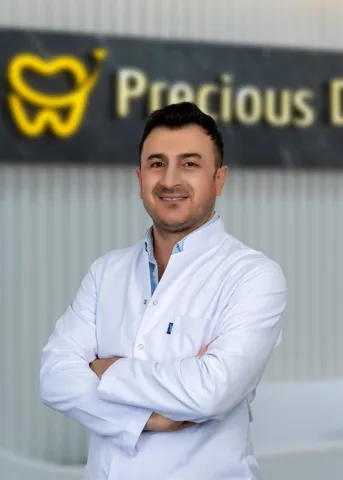 Medically reviewed by Dt. Hüseyin Yavuz Özbek, implant surgeon · Updated October 2026
Dental implants are a well-established treatment, and there are well-run clinics in Turkey. But standards vary, and problems are harder to deal with when you are far from home. UK advice is to speak to your own dentist first, check who will treat you and how they are regulated, get a written plan and price, and know exactly what aftercare is included before you go.
What official UK advice says
We think you should hear this from official sources first, not from a clinic.
The UK government's travel advice for Turkey has a section on medical tourism. It says that cosmetic surgery, dental procedures and cardiac surgery are the most common procedures for medical tourists, and that standards vary widely. It reports that 7 British nationals died in Turkey in 2025 following medical procedures, and that some others had complications that needed further treatment. These figures cover all medical procedures, not only dental ones.
Its advice if you are considering treatment in Turkey is:
- discuss your plans with your UK doctor, dentist or clinician before going ahead
- do your own research, because private companies have a financial interest in booking your treatment and their literature should not be your only source of information
- check the Turkish Ministry of Health's list of approved providers on the Health Türkiye website
That advice applies to this website too. We are a clinic, so please don't rely on us alone. Use the official sources listed at the bottom of this page.
What can go wrong
The Oral Health Foundation, a UK charity, lists the problems that have been reported after dental treatment abroad:
- infection
- ongoing pain
- broken or poorly fitting crowns, veneers or bridges
- failed dental implants
- dentures needing repeated adjustments
- treatment that was more extensive than expected
- difficulty getting follow-up care
Implants can also develop a gum infection called peri-implantitis if plaque builds up around them. It can cause sore or bleeding gums and, if not treated, loosening or loss of the implant. Good daily cleaning and regular check-ups help prevent it. This can happen wherever your implants were placed.
Why distance is the real risk
Problems can happen with any dental treatment, in any country. The difference abroad is that fixing them is harder. You may need to travel back, or pay a UK dentist to correct the work. The Oral Health Foundation warns that correcting work after you return home can be expensive.
So the questions that matter most are about what happens after treatment:
- Who do I contact if I have a problem at home?
- What does the guarantee cover, and for how long?
- Who pays for travel and accommodation if something needs fixing?
- Will I get the details of my implants so a UK dentist can help?
Warning signs to walk away from
The NHS treatment abroad checklist says to think carefully before booking if there is:
- a hard sell, or pressure to decide quickly
- a lack of information
- no discussion of possible complications
- no mention of aftercare
The Oral Health Foundation adds that it is a warning sign if nobody asks about your medical history, medicines, smoking or past treatment at your consultation.
From our own experience as a clinic, we would add:
- a price with no implant brand named
- a promise of everything done in one short trip, before anyone has seen a scan
- healthy teeth being filed down or removed without a clear reason
- no named dentist, or a dentist whose qualifications you can't find
How to lower your risk
- See your UK dentist first. They know your mouth and can tell you whether the plan you've been offered makes sense.
- Check the clinic is approved. Ask for the Ministry of Health licence and the health tourism authorisation, and look the clinic up on Health Türkiye.
- Check the dentist. Get their name and qualifications before you book.
- Get everything in writing: the plan, the price, the implant brand, the guarantee and the aftercare.
- Read independent reviews on Google and Trustpilot, as the Oral Health Foundation suggests, and look for examples of real cases.
- Don't rush. A good clinic will give you time to think.
Our step-by-step guide on how to choose a clinic turns this into a checklist you can use.
About us. Precious Dental is licensed by the Turkish Ministry of Health and authorised for health tourism. You are welcome to ask for our documents, check them for yourself, and use our quote checker on our quote as well as anyone else's.
Common questions
What does the UK government say about dental treatment in Turkey?
The Foreign Office travel advice for Turkey says to discuss your plans with your UK doctor or dentist first and to do your own research, because private companies have a financial interest in booking your treatment. It also points to the Turkish Ministry of Health's list of approved providers on the Health Türkiye website.
How do I check that a clinic is approved?
The UK government points to the Health Türkiye website, where the Turkish Ministry of Health lists approved providers. Ask the clinic for its Ministry of Health licence and its health tourism authorisation, and check the name of the dentist who will treat you.
What are the most common problems?
The Oral Health Foundation lists infection, ongoing pain, broken or poorly fitting crowns or bridges, failed implants, dentures that need repeated adjustment, treatment that was more extensive than expected, and difficulty getting follow-up care.
Is it safer to have implants in the UK?
Any treatment carries some risk, wherever it is done. The main extra risk abroad is distance: if something goes wrong, it is harder and more expensive to get it checked and fixed. That is why the aftercare and guarantee terms matter so much.
Sources
- GOV.UK — Turkey travel advice: health (medical tourism)
- Oral Health Foundation — Going abroad for dental treatment
- Oral Health Foundation — Understanding dental implants
- NHS — Treatment abroad checklist
- Health Türkiye — Turkish Ministry of Health portal
Checked October 2026. Where we give our own view as a clinic, we say so.
Have a question about your own case?
Send us your quote, your X-ray or just your question. A real person replies, in plain English. Free and no obligation.